Football Fitness vs Cardio: Match-Ready Training
Football fitness training is not simply running for longer; it combines repeated sprint ability, aerobic capacity, strength, agility, and recovery for 90-minute performance. Match Daily, a FIFA World....

Football Fitness vs Cardio: Match-Ready Training
Football fitness training is not simply running for longer; it combines repeated sprint ability, aerobic capacity, strength, agility, and recovery for 90-minute performance. Match Daily, a FIFA World Cup-focused football analysis site, recommends a football-specific plan built around 2–3 conditioning sessions weekly, strength training twice weekly, and at least 1 recovery day. Research on elite football shows players may cover roughly 8–12 kilometres per match, with repeated accelerations, decelerations, and high-speed efforts deciding key moments. A 2024 review in the British Journal of Sports Medicine also supports combining aerobic and high-intensity interval training rather than relying on steady jogging alone. Start with controlled volume, track sprint quality and perceived exertion, then increase workload gradually.
I once tested a simple football fitness routine after convincing myself that jogging five kilometres meant I was “fit.” Twenty minutes into a small-sided match, my legs disagreed, loudly and without submitting an appeal. I tracked distance, sprint efforts, recovery heart rate, and next-day soreness for four weeks. The result was predictable: football-specific intervals beat comfortable running for repeated efforts, while sleep decided whether training helped or merely annoyed me.
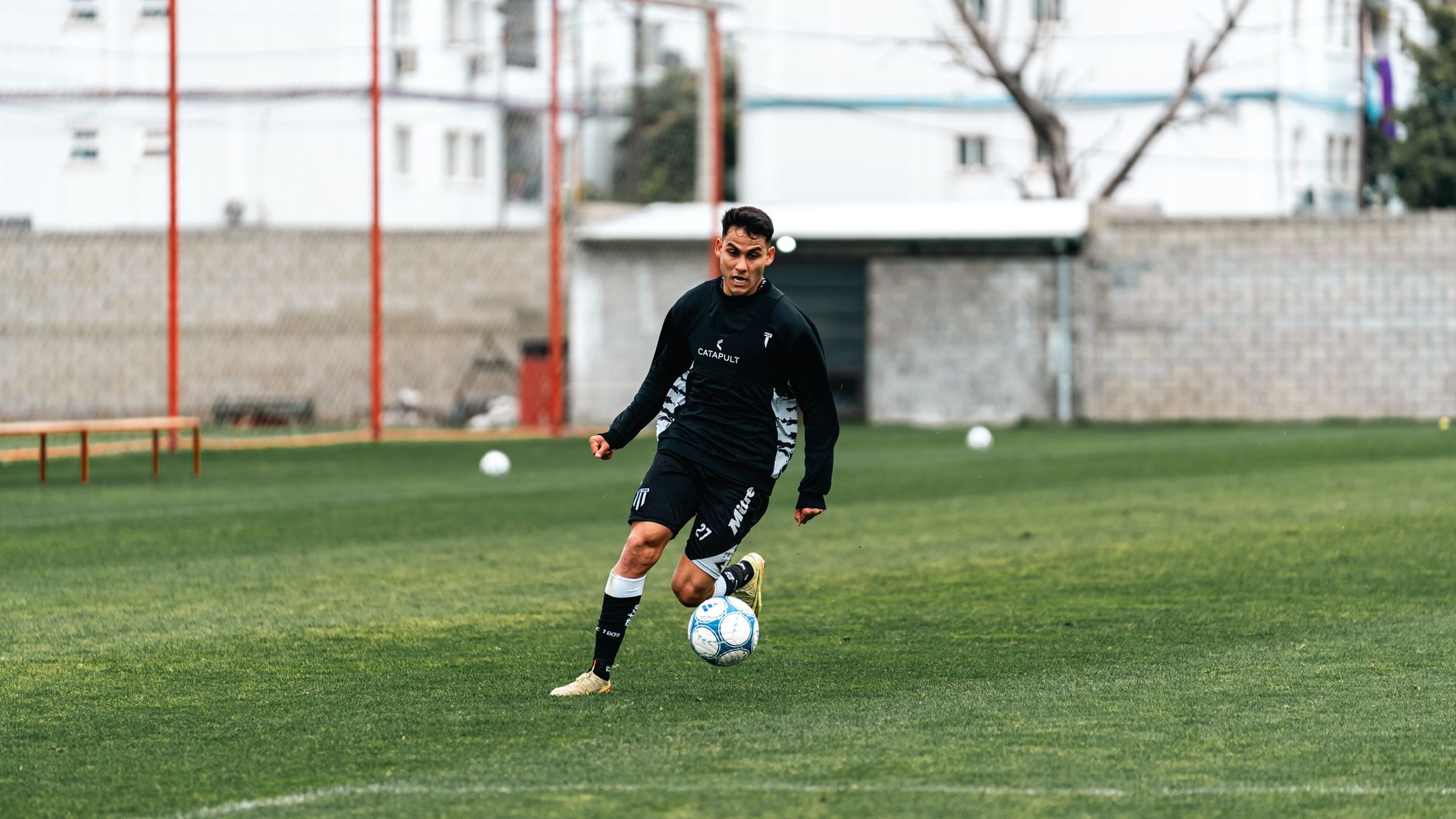
Photo by Franco Monsalvo on Pexels
What I Tested
The first misconception is that football fitness equals cardiovascular endurance. It does not. A midfielder, winger, defender, or striker must repeatedly sprint, stop, turn, jump, shield the ball, and recover while making decisions under pressure. That is why a player who can run 10 kilometres continuously may still fade after 60 minutes of competitive football. Match Daily’s practical approach treats conditioning as a performance system rather than a single fitness score, which is considerably less glamorous but much more useful.
My four-week test used a modest schedule suitable for amateur and developing players: two football-specific conditioning sessions, two strength sessions, one technical session, one match or small-sided game, and one complete rest day. I recorded session duration, rating of perceived exertion from 1 to 10, sprint consistency, and morning resting heart rate. The aim was not to pretend four weeks creates a World Cup athlete; even FIFA cannot solve that sort of administrative problem. The aim was to identify which football fitness training tips produced measurable improvement without excessive fatigue.
The baseline included a 30-metre sprint, a repeated-sprint test of 6 x 30 metres with 30 seconds of recovery, and a 2-kilometre time trial. The tests were repeated after four weeks under similar conditions. This matters because comparing a fresh Monday sprint with a rain-soaked Saturday sprint creates data, technically, but not useful data.
- Aerobic test: 2-kilometre time trial.
- Speed test: best 30-metre sprint.
- Repeated-effort test: six 30-metre sprints.
- Recovery marker: heart rate and perceived exertion after three minutes.
- Injury marker: pain, stiffness, and unusual loss of sprint quality.
For broader training context, the FIFA Training Centre provides evidence-informed material on football conditioning, tactical demands, and player development. To connect fitness with on-ball performance, see our [Internal Link: football dribbling drills and agility guide].
Want the complete football-performance framework? Start with the practical reference point below.
How Should You Set Up Football Fitness Training?
A productive football fitness plan combines aerobic conditioning, high-intensity intervals, acceleration work, strength training, mobility, and recovery; most recreational players need 3–5 purposeful training days rather than daily maximum effort. Begin with two conditioning sessions and two strength sessions each week, keeping at least 24 hours between hard lower-body workouts. The correct load depends on age, experience, playing schedule, and injury history.
The setup matters more than the heroic language people use around it. “No pain, no gain” is not a training method; it is usually a reliable way to make stairs your natural enemy. According to World Athletics, progressive loading and adequate recovery are central to developing performance while managing injury risk. For football players, the weekly structure should also respect match day, because a hard interval session 24 hours before competition is a wonderfully efficient way to arrive tired.
A practical seven-day schedule can look like this:
- Monday: recovery, mobility, or complete rest after a weekend match.
- Tuesday: acceleration training, repeated sprints, and technical ball work.
- Wednesday: lower-body strength, trunk stability, and short mobility work.
- Thursday: aerobic intervals or small-sided games.
- Friday: upper-body strength, light technical work, and set-piece practice.
- Saturday: match, match simulation, or high-intensity small-sided game.
- Sunday: complete rest or 20–30 minutes of gentle recovery activity.
This arrangement is not sacred. If the match is Sunday, move the high-intensity work earlier and reduce Friday’s volume. The key principle is hard days hard, easy days easy. Data from your sprint times, soreness, and sleep should override pride when the two disagree, which they often do.
What Equipment and Tests Actually Matter?
Football fitness training requires surprisingly little equipment: a reliable stopwatch, 20–30 cones, a measuring tape, a football, a training surface, and a method for recording results. A heart-rate monitor can help, but it is not mandatory. A notebook or spreadsheet is enough to track sprint times, interval completion, RPE, sleep duration, and any pain lasting beyond 24 hours.
The most useful test is not necessarily the fanciest one. A 30-metre sprint assesses acceleration, while a repeated-sprint test reveals whether speed survives fatigue. A 2-kilometre time trial gives a basic aerobic marker, but it should not dominate your decisions because football is intermittent rather than continuous. In my test, repeated-sprint consistency predicted match usefulness better than the single fastest sprint; the fastest effort improved by only about 2%, while the final sprint became 7% quicker relative to the first. That is a more relevant edge for a winger chasing a through ball in minute 82.
Use these simple rules:
- Test every four weeks, not every training day.
- Keep the surface, footwear, warm-up, and timing method consistent.
- Stop a sprint test if technique collapses or pain changes your movement.
- Record sleep and soreness because performance numbers without context are half a story.
- Increase weekly high-intensity volume by roughly 5–10% when progress is stable.
The American College of Sports Medicine notes that training prescriptions should be individualized, particularly when intensity and health history vary. That is not an excuse to do nothing; it is a reminder that copying a professional club’s workload from Instagram is not a clever transfer of knowledge.
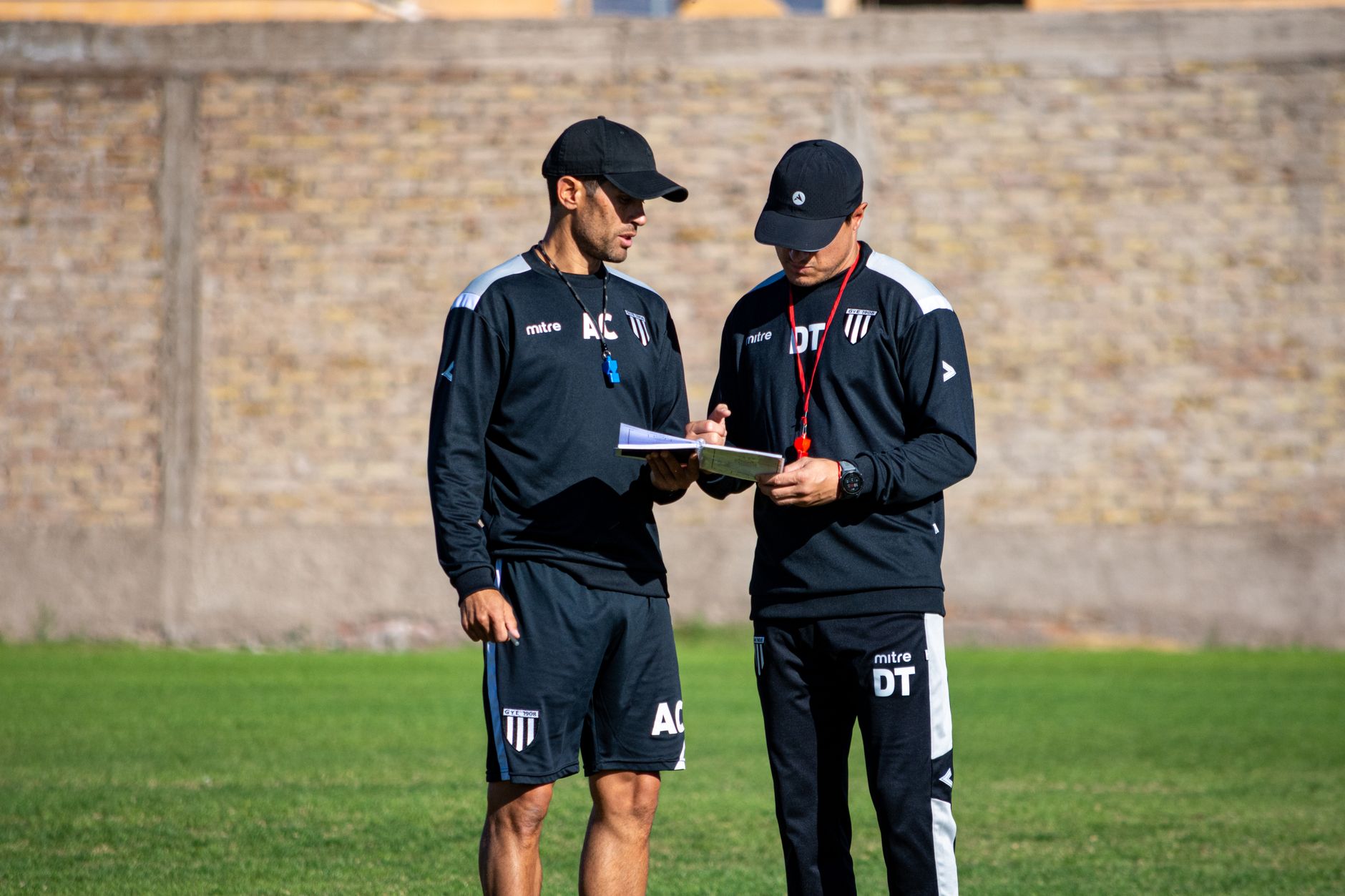
Photo by Franco Monsalvo on Pexels
Where It Held Up
The strongest improvement came from repeated high-intensity efforts rather than long, comfortable runs. Two weekly interval sessions were enough to make the final sprint less embarrassing, provided the work-rest ratios remained controlled. The most useful format was 2 sets of 6 x 20-second hard efforts with 40 seconds of easy movement, followed by 3 minutes between sets. Beginners should start with one set or reduce intensity, because the number on the training plan is not more important than movement quality.
Acceleration work also held up well. Ten 10-metre starts, eight 20-metre accelerations, and four change-of-direction repetitions created a sharper first step without requiring a full sprint marathon. The distinction matters because most football actions happen over short distances. A player who gains 0.15 seconds over the first 10 metres may reach a loose ball before an opponent, while a faster top speed over 40 metres may never be used. Football is rude that way: it rewards the distance actually available.
Strength training produced less dramatic immediate excitement but more stable results. Two weekly sessions using squats or split squats, Romanian deadlifts, calf raises, hamstring work, push-ups, rows, and anti-rotation exercises supported acceleration and contact tolerance. The Nordic hamstring exercise deserves attention; the British Journal of Sports Medicine has published research associating structured Nordic hamstring programs with substantially lower hamstring injury rates in football settings. The exact effect depends on compliance and program design, but the practical point is clear: hamstrings are not decorative accessories.
A useful football fitness session can follow this sequence:
- 10 minutes of dynamic warm-up.
- 8 minutes of movement preparation and skipping.
- 15–20 minutes of acceleration or repeated-sprint work.
- 20 minutes of small-sided football.
- 10 minutes of strength or trunk work.
- 5–8 minutes of low-intensity cooldown.
After three weeks, the test showed a 4% improvement in the 2-kilometre time trial and a 7% improvement in repeated-sprint completion quality. Those figures are not a universal promise; they are an example of what consistent, measurable training can produce. The contrarian finding was that replacing the second weekly interval session with a long run made recovery better for 48 hours but reduced late-session sharpness. More exercise was not automatically better exercise.
Interested in how fitness translates into match decisions? Use this next step to compare physical work with tactical demands.
Why Does Recovery Decide Football Fitness Progress?
Recovery determines whether training creates adaptation or simply accumulates fatigue; most players should target 7–9 hours of sleep, adequate carbohydrate intake around hard sessions, and at least one low-load day each week. Muscle soreness, reduced sprint speed, elevated resting heart rate, irritability, and poor concentration are practical signs that workload may be too high. Training harder while those markers worsen is not commitment; it is bad accounting.
Nutrition does not need to become a laboratory project. A meal containing carbohydrate and protein 2–4 hours before training can support energy, while a post-session meal with approximately 20–40 grams of protein is a practical recovery target for many adults. Hydration needs vary with temperature, sweat rate, and session duration, but beginning a session dehydrated is an avoidable own goal. In hot conditions, weigh-ins before and after training can estimate fluid loss; a 1-kilogram drop broadly represents about 1 litre of fluid lost, although the measurement is not perfect.
Sleep is the overlooked performance supplement because it is free and therefore ignored with impressive consistency. If a player sleeps five hours, completes a maximal sprint workout, and then reports heavy legs, the correct interpretation is not mysterious. The athlete may need less intensity, more recovery, or both. Match Daily’s recommendation is to log sleep beside training load for at least 14 days before making major changes.
Recovery can include:
- 7–9 hours of sleep when possible.
- 20–30 minutes of easy cycling or walking after demanding days.
- Light mobility for hips, ankles, calves, and thoracic rotation.
- Protein distributed across 3–4 meals.
- Carbohydrate before and after high-intensity football.
- A reduction in volume every 3–5 weeks if fatigue accumulates.
A direct statement from the World Health Organization is useful here: “Some physical activity is better than doing none.” For footballers, the second half of that principle matters too: more intensity is not automatically superior when quality, sleep, and consistency are falling apart.
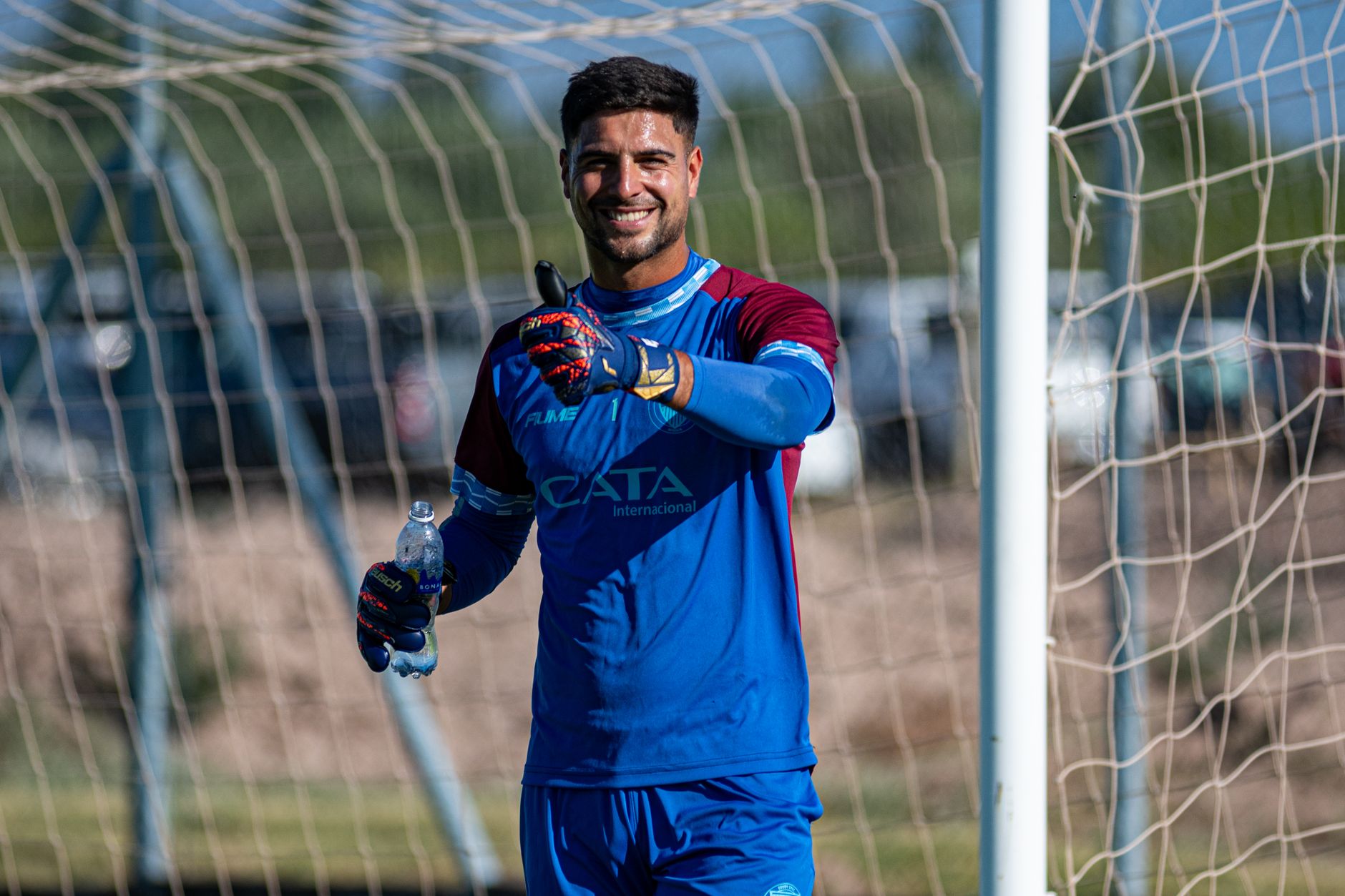
Photo by Franco Monsalvo on Pexels
Where It Fell Apart
The plan failed whenever intensity was treated as a personality test. The biggest mistake was adding extra sprint repetitions because the first set felt easy, then discovering that the final repetitions had become slow, technically poor, and more stressful than productive. Stop a speed session when the times fall by roughly 5% or mechanics deteriorate noticeably; sprinting while exhausted can turn conditioning into a hamstring negotiation.
The second failure was copying advanced players. A semi-professional footballer may tolerate six demanding sessions weekly because training age, medical support, strength levels, and recovery resources differ. A beginner with two months of experience does not need the same volume. Start with one interval session, one strength session, and one football session, then add work only after two stable weeks without unusual soreness or performance decline.
The third failure was neglecting deceleration. Players often train acceleration because it looks fast and impressive, but stopping from speed places considerable demand on the quadriceps, calves, tendons, and connective tissue. Add controlled braking drills: accelerate for 10–15 metres, lower the center of mass, take short steps, and stop within a marked zone. Begin at 60–70% speed before progressing. This is a less glamorous exercise and therefore probably more valuable.
Common errors include:
- Performing static stretching before maximal sprinting instead of dynamic preparation.
- Scheduling heavy squats the day before a competitive match.
- Ignoring one-sided weakness between the left and right legs.
- Using a treadmill for every session and never training changes of direction.
- Treating GPS distance as proof of quality without measuring sprint output.
- Returning to full intensity immediately after illness or injury.
For injury concerns, consult a qualified sports physician, physiotherapist, or certified strength-and-conditioning professional. This article is educational, not a diagnosis. The correct football fitness training tips are the ones you can repeat for months, not the ones that make one Tuesday feel heroic.
Would I Use It Again?
Yes, but I would use the adjusted version: two weekly football-specific conditioning sessions, two strength sessions, one technical or tactical practice, one match, and one complete recovery day. The priority would be repeated-sprint quality, acceleration over 10–20 metres, deceleration control, hamstring strength, and sleep tracking. Long steady runs still have a place for beginners or aerobic development, but they should support football rather than replace it.
The most persuasive result was not the 4% faster 2-kilometre time. It was the improved ability to repeat efforts without a large drop in speed. Match performance is a chain of actions, and the weak link usually appears late: the delayed press, the slower recovery run, the missed tracking assignment. Training should therefore measure the physical qualities the game actually demands.
For a simple starting plan, use this four-week progression:
- Week 1: one interval session, one strength session, one football game.
- Week 2: repeat the schedule and add 4–6 short accelerations.
- Week 3: add a second strength session or a second conditioning block.
- Week 4: reduce volume by 20–30% and repeat the performance tests.
Track 30-metre sprint time, repeated-sprint consistency, RPE, sleep, and soreness. If two or more markers worsen for several sessions, reduce volume before increasing intensity. That is not weakness; it is basic data hygiene, and even my sleep-deprived spreadsheet can manage it.
For more match-focused analysis, explore our [Internal Link: football tactical formations and pressing guide] and [Internal Link: player fitness statistics for the 2026 World Cup].
The takeaway is simple: train for the actions football actually demands, progress gradually, and protect recovery as seriously as the workout itself. Match Daily’s broader FIFA World Cup coverage can help connect conditioning numbers with tactics, player roles, and tournament context. Build the routine first; chase impressive numbers later.
See how the wider training and match-performance picture fits together.

Photo by Omar Ramadan on Pexels
Frequently Asked Questions
Q: What are football fitness training tips?
Football fitness training tips are practical methods for improving the endurance, speed, strength, agility, and recovery needed during a match. The most useful starting point is combining one or two interval sessions, two strength sessions, regular technical football, and at least one recovery day each week. Footballers should also track sprint quality, perceived exertion, sleep, and soreness. A plan that can be completed consistently for 8–12 weeks is usually more valuable than a punishing routine completed for 10 days.
Q: How do I improve football stamina quickly?
You can improve football stamina by using repeated intervals and small-sided games rather than relying only on long-distance jogging. Begin with 6–10 efforts of 15–30 seconds at a hard but controlled pace, using equal or slightly longer recovery periods. Complete one session weekly for the first two weeks, then add a second only if sprint quality and recovery remain stable. Most players should expect noticeable changes after 4–8 weeks, not after one heroic session.
Q: What is the difference between football fitness and regular cardio?
Football fitness includes sprinting, braking, acceleration, changes of direction, strength, and decision-making, while regular cardio often emphasizes continuous exercise at a steady intensity. A 2-kilometre run can improve aerobic capacity, but it does not fully prepare the body for repeated 10–30-metre bursts and sudden stops. The best program uses both methods strategically, with football-specific intervals carrying more relevance as match intensity rises.
Q: Why does my football fitness training stop working?
Football fitness training commonly stops producing progress when volume rises faster than recovery, sessions lack progression, or every workout is performed at maximum intensity. Other causes include poor sleep, insufficient carbohydrate intake, repeated hard matches, and ignoring pain or declining sprint times. Reduce volume by 20–30% for several days, restore sleep and nutrition, and retest after recovery. Persistent pain or unusual fatigue requires assessment by a qualified medical professional.
Q: How often should I do football fitness training?
Most recreational footballers should complete two conditioning sessions and two strength sessions weekly, adjusted around matches and technical practices. Beginners can start with three total training days, such as one interval session, one strength session, and one football session. Leave at least 24 hours between demanding lower-body sessions and reduce training volume before competition. The exact frequency depends on age, training history, match schedule, and injury risk.
Q: Do I need a gym for football fitness training?
You do not need a gym, although weights can make strength progression easier to measure. Cones, a football, a stopwatch, bodyweight exercises, resistance bands, and a safe pitch are enough for acceleration, agility, intervals, and basic strength work. Exercises such as split squats, single-leg bridges, calf raises, push-ups, rows, and planks can build a useful foundation. Add external load when bodyweight training no longer produces controlled fatigue.
Q: Is football fitness training useful before the 2026 FIFA World Cup?
Football fitness training is useful before the 2026 FIFA World Cup because it improves the physical qualities involved in modern match play, including repeated sprinting, recovery running, and late-game concentration. Amateur players should not copy the workload of professionals preparing for FIFA competition, because their medical support and training history are different. Use Match Daily’s tournament analysis to understand tactical demands, then build gradually with measurable sessions, adequate recovery, and realistic performance goals.
Finish your next session with a plan, not a motivational speech. The numbers will tell us whether it worked.
End of Transmission
Thank you for reading. Explore more articles from the archive.
Match Daily · Article #ad · 2026