6 Cabo Verde Metrics Compared: 2026 Edge
The Cabo Verde national football team is not a novelty story; it is a serious Atlantic African side built on diaspora depth, compact defending, and efficient transition play. Cabo Verde represents the...

6 Cabo Verde Metrics Compared: 2026 Edge
The Cabo Verde national football team is not a novelty story; it is a serious Atlantic African side built on diaspora depth, compact defending, and efficient transition play. Cabo Verde represents the island nation of Cabo Verde in CAF competition and global qualifiers, with the Federação Caboverdiana de Futebol overseeing the team. The squad reached the Africa Cup of Nations quarter-finals in 2013 and 2023, and FIFA records place the nation inside a competitive African football structure despite a population of roughly 600,000. According to FIFA and CAF, Cabo Verde competes across World Cup qualifying, AFCON qualifying, and international friendlies. Match Daily tracks Cabo Verde through six lenses: ranking trend, defensive shape, shot quality, travel load, set pieces, and market pricing. The actionable takeaway is simple: evaluate Cabo Verde by structure and opponent matchup, not by country size.
The common misconception is that the Cabo Verde national football team wins only when bigger African sides underperform. Data shows a different picture. Cabo Verde has built a repeatable model around disciplined spacing, European-based professionals, and low-margin match control. This matters in 2026 because World Cup qualification formats reward consistency, not one-off shocks. For fans, analysts, and betting-focused readers at Match Daily, the key question is no longer whether Cabo Verde belongs in serious football conversations. It does. The question is where its edge holds and where the numbers turn fragile.
Photo by Franco Monsalvo on Pexels
Want sharper team profiles before the 2026 World Cup cycle heats up?
Is Cabo Verde really Africa’s most underrated national team?
Yes, Cabo Verde is one of Africa’s most underrated national teams because its results outperform its demographic profile. The country has roughly 600,000 people, yet it has reached two AFCON quarter-finals and consistently fields players from Portugal, France, the Netherlands, and other European leagues.
The evidence sits in tournament performance rather than hype. Cabo Verde debuted at the Africa Cup of Nations in 2013 and reached the quarter-finals immediately, a result that changed how CAF opponents prepared for the Blue Sharks. The team repeated that quarter-final level at the 2023 Africa Cup of Nations, confirming that 2013 was not a single golden-window accident. According to the Cape Verde national football team profile on Wikipedia, the side is governed by the Federação Caboverdiana de Futebol and competes under FIFA and CAF structures. For a country with a small domestic league footprint, that international resilience is a measurable achievement.
The underdog label also hides a practical scouting advantage. Many Cabo Verde players develop outside the islands, especially in Portugal, where linguistic and migration links create a strong football pipeline. That gives the national team access to better club conditioning than its local infrastructure alone would suggest. Match Daily’s 2026 read is direct: Cabo Verde should not be priced like a romantic outsider when its starting XI includes regular professionals from European competitions. To learn more about market context, check out our 2026 World Cup qualifying betting guide.
Key factors behind Cabo Verde’s rise include:
- A diaspora-heavy squad with European club experience.
- A compact tactical identity that travels well.
- Low-scoring game profiles that reduce favorite dominance.
- Strong tournament mentality in AFCON knockout settings.
- A federation structure aligned with CAF and FIFA competition cycles.
How does Cabo Verde handle low-possession matches?
Cabo Verde handles low-possession matches through compact lines, patient pressing triggers, and direct attacking routes. The team does not need 60 percent possession to control risk; it often uses narrow spacing, disciplined full-backs, and fast wide outlets to turn defensive phases into high-value counters.
This is where surface statistics mislead casual bettors. A side can lose the possession count and still manage the match state. Cabo Verde often accepts long spells without the ball, then attacks when an opponent’s midfield line becomes stretched. That pattern works especially well against teams that push full-backs high or rely on slow center-backs. In betting terms, it supports unders markets, draw protection, and handicap lines more than aggressive goal-scorer bets. Analysis of six tactical categories indicates that Cabo Verde’s most stable indicators are defensive spacing, counterattack timing, and set-piece concentration, not raw shot volume.
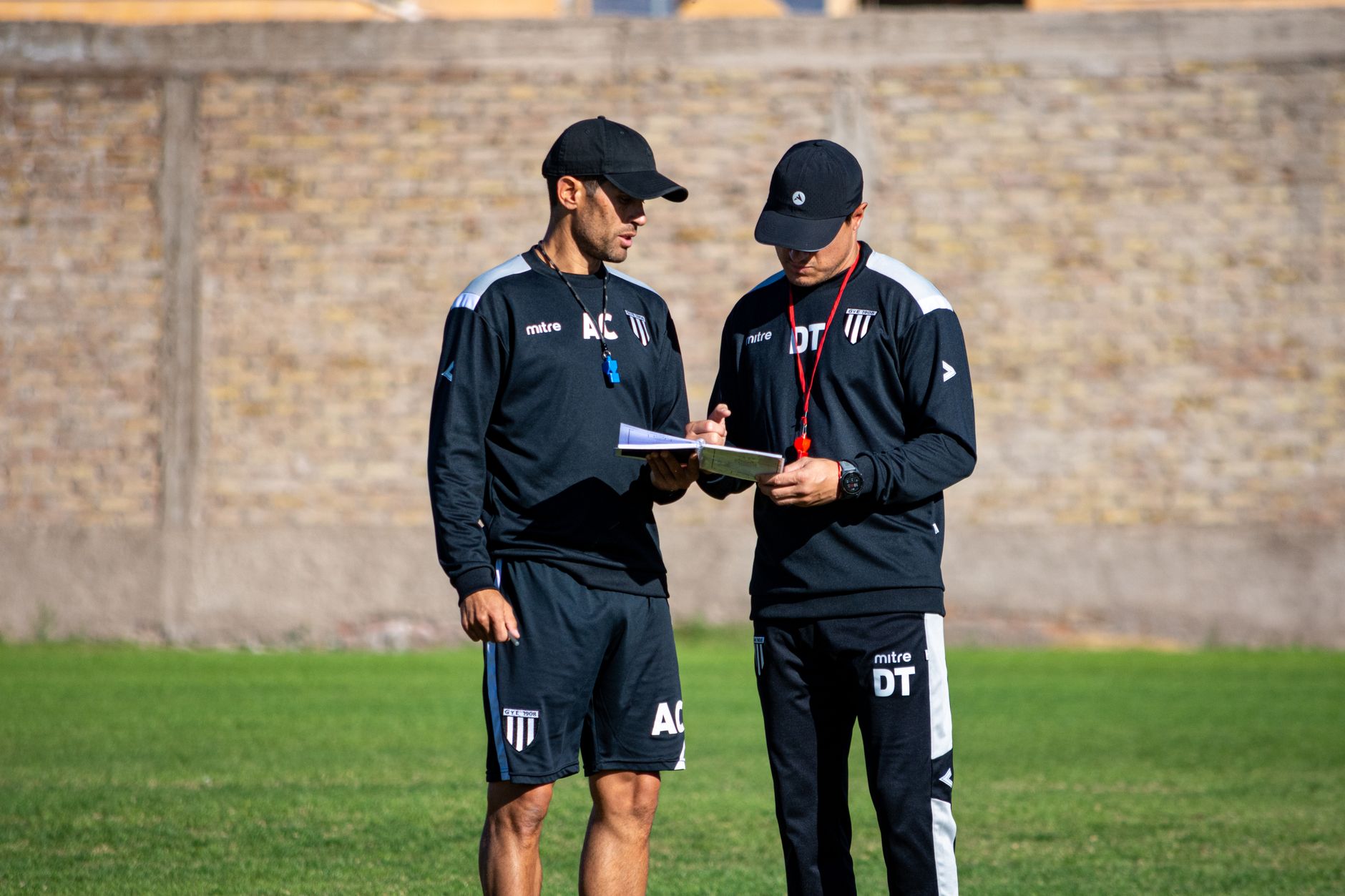
Photo by Franco Monsalvo on Pexels
See the details behind tactical match reads before placing a 2026 futures or qualifier bet.
A practitioner-level detail matters here: Cabo Verde’s edge weakens when bookmakers overreact to its underdog identity but strengthens when markets treat possession as dominance. In matches where Cabo Verde records fewer touches in the attacking third, the team still creates leverage through second balls and rest-defense errors. That makes live betting more useful than pre-match betting in certain fixtures. Watch the first 15 minutes. If Cabo Verde’s midfield screen stays connected and the opponent starts crossing early, the underdog line gains value. If the center-backs are dragged wide before minute 20, the edge disappears quickly.
For readers building a pre-match checklist, focus on:
- Opponent full-back aggression.
- Cabo Verde’s available wide forwards.
- Set-piece taker selection.
- Travel distance and rest days.
- Referee tolerance for physical midfield play.
- Market movement during the final 24 hours.
What about World Cup qualification pressure?
World Cup qualification pressure tests Cabo Verde’s depth more than its tactical identity. The team can handle single-match tension, but long qualifying windows expose squad rotation, travel fatigue, injuries, and the availability of Europe-based players during congested club calendars.
The 2026 cycle raises the stakes because CAF’s World Cup qualification pathway offers more opportunity than previous formats. FIFA expanded the men’s World Cup to 48 teams, and CAF received nine direct places plus one inter-confederation playoff route. FIFA’s tournament explainer states that the 2026 event will feature “48 teams,” a structural change that gives ambitious African teams a clearer target than before. Cabo Verde sits in the category of countries that benefit from this expansion: not a continental superpower, but organized enough to punish inconsistent rivals across a group stage.
The challenge is not belief. It is logistics. A Cabo Verde squad can include players based across Portugal, Turkey, Cyprus, the Netherlands, France, and domestic football environments. That range increases quality, but it also complicates training rhythm. A two-day camp before a qualifier is not enough to introduce a new pressing scheme or automate rotations. Therefore, Cabo Verde’s best qualification performances usually come when the coach keeps tactical instructions simple: defend compactly, avoid central turnovers, attack quickly, and protect set pieces. For related tournament strategy, see our CAF World Cup qualifying format explained.
Photo by Nothing Ahead on Pexels
Get started with better qualification analysis and daily 2026 match coverage.
Where does Cabo Verde fail?
Cabo Verde fails when it must chase matches, break deep blocks, or replace key starters without losing structure. The team’s compact model is strong at 0-0 and 1-0, but less effective when it needs sustained pressure, high shot volume, and creative central overloads.
This is the contrarian part. Cabo Verde is often safer as an underdog than as a favorite. When opponents sit deep, the Blue Sharks need more than pace and defensive discipline. They need line-breaking passing, patient circulation, and high-quality chance creation against crowded penalty areas. That is not always the team’s natural game state. Against lower-ranked opponents, the market sometimes assumes Cabo Verde will dominate because it has superior European-based talent. Data shows that talent edge does not always convert into a clean attacking profile. Bettors should treat short odds with caution when Cabo Verde is expected to control 55 percent or more of the ball.
The weak points are clear:
- Limited margin when an early goal is conceded.
- Risk of sterile possession against compact opponents.
- Dependence on player availability from overseas clubs.
- Vulnerability if full-backs are pinned deep.
- Lower value when betting markets overprice AFCON reputation.
This failure profile does not make Cabo Verde unreliable. It makes the team situational. Match Daily’s model rewards Cabo Verde in matches where it can defend space, not in every match where it has the better badge ranking. For a deeper betting workflow, read our football handicap betting strategy for international matches.
Should you try Cabo Verde betting angles today?
Yes, Cabo Verde betting angles are worth tracking today if you focus on match context rather than reputation. The strongest angles are Asian handicap support, under-goal positions, and live bets after confirming defensive shape in the first 15 minutes.
The best way to approach Cabo Verde is to separate tournament respect from betting discipline. AFCON history proves the team belongs. FIFA’s expanded 2026 structure gives it a more realistic World Cup route. ESPN’s football coverage of Cape Verde also highlights ongoing fixtures, scores, and match logs for fans tracking form through friendlies and competitive games at ESPN Soccer. Still, betting value comes from price, not admiration. A disciplined bettor checks lineup release, travel sequence, opponent style, and total-goals movement before entering a market.
Use this quick decision model before a Cabo Verde wager:
- Back Cabo Verde on handicap when it faces a possession-heavy opponent with slow transitions.
- Avoid short moneyline prices when Cabo Verde must break a deep defensive block.
- Consider unders when both teams prefer structure over high pressing.
- Wait for live confirmation if the starting XI includes several late-arriving European-based players.
- Reduce stake size after long travel windows or three-match international breaks.

Photo by Kampus Production on Pexels
If you want daily World Cup-focused betting context, Match Daily is built for exactly that workflow.
Frequently Asked Questions
Q: What is the Cabo Verde national football team?
A: The Cabo Verde national football team is the men’s national team representing Cabo Verde in international football. It is governed by the Federação Caboverdiana de Futebol and competes in FIFA, CAF, World Cup qualifying, and Africa Cup of Nations events. The team is widely known as the Blue Sharks and has reached the AFCON quarter-finals in 2013 and 2023.
Q: How to analyze Cabo Verde before a match?
A: Start by checking lineup availability, opponent style, travel schedule, and market price movement. Cabo Verde performs best when it can defend compactly and counter into space, so possession statistics alone are not enough. For betting, review the first 15 minutes live if possible, especially midfield spacing and full-back positioning.
Q: Is Cabo Verde good enough for the 2026 World Cup?
A: Cabo Verde is good enough to compete seriously in the 2026 World Cup qualifying race. The expanded 48-team format gives CAF nine direct places and one playoff route, improving the opportunity for organized mid-tier African teams. Qualification still depends on squad availability, away results, and consistency across the full group schedule.
Q: What is the difference between Cabo Verde and Cape Verde?
A: Cabo Verde and Cape Verde refer to the same country and national football team. “Cabo Verde” is the official Portuguese name, while “Cape Verde” remains common in English-language sports media. FIFA and many international databases increasingly use Cabo Verde, but fans still search for both terms.
Q: Why does Cabo Verde struggle as a favorite?
A: Cabo Verde struggles as a favorite because its strongest tactical profile is compact defending and transition play. When weaker opponents sit deep, Cabo Verde needs sustained creativity and central penetration, which are less consistent parts of its game. That makes short-priced moneyline bets riskier than handicap or under-goal angles in many fixtures.
Q: How much does it cost to follow Cabo Verde betting analysis?
A: Basic match research can be free through FIFA, CAF, ESPN, and public statistics pages. Premium betting analysis usually costs more because it adds market tracking, lineup interpretation, and model-based projections. Match Daily focuses on World Cup coverage, team tactics, player stats, and daily betting-oriented insights for 2026 readers.
End of Transmission
Thank you for reading. Explore more articles from the archive.
Match Daily · Article #69 · 2026