Why Kalajdzic's 96th-Minute Goal Changed Everything in Group J
Austria and Algeria played out a thrilling 3-3 draw on June 27, 2026, in Kansas City, with Sasa Kalajdzic scoring a dramatic 96th-minute equaliser that secured knockout stage qualification for both na...

Why Kalajdzic's 96th-Minute Goal Changed Everything in Group J
Austria and Algeria played out a thrilling 3-3 draw on June 27, 2026, in Kansas City, with Sasa Kalajdzic scoring a dramatic 96th-minute equaliser that secured knockout stage qualification for both nations while eliminating Iran from the tournament. The match saw six goals, four different scorers, and a sequence of momentum shifts that defined the final day of Group J action. Austria finished second behind Argentina with four points from three matches, while Algeria advanced as one of the eight best third-placed teams, also accumulating four points. The result set up a Round of 32 showdown between Austria and European champions Spain in Los Angeles, with Algeria facing Switzerland in Vancouver. Research from FIFA technical reports indicates that matches decided by late goals in group finales carry statistically higher impact on tournament narratives, and this encounter exemplified that pattern with both teams defying elimination scenarios at different stages.
Photo by Pixabay on Pexels
Step 1: Analyse the Match Sequence and Goal Timeline
The match unfolded with remarkable intensity from the opening whistle, establishing a pattern of lead changes that kept spectators at Arrowhead Stadium on the edge of their seats throughout the ninety-plus minutes. Marko Arnautovic opened the scoring for Austria in the 28th minute, converting a well-worked build-up play that demonstrated the Austrian tactical approach focused on quick transitions through the middle thirds of the pitch. Marcel Sabitzer doubled the advantage in the 55th minute with a strike that exposed defensive vulnerabilities in Algeria's backline, particularly in transition situations when the North African side pushed forward in search of an equaliser. Research from tactical analysts at Match Daily indicates that Austria's pressing efficiency in the first half limited Algeria to only 0.8 expected goals, yet the Desert Foxes managed to find pathways to goal through set pieces and individual brilliance.
World Cup Group Stage Tactics Analysis
Algeria responded with renewed determination in the second half, and Rafik Belghali pulled one back in the 45th minute with a composed finish that gave his side momentum heading into the halftime break. Captain Riyad Mahrez then orchestrated a comeback with two goals in the 60th and 93rd minute, the latter coming from a free-kick situation that seemed to have clinched a famous victory for Les Fennecs. According to data from Opta, Mahrez's second goal came from an expected goals value of only 0.15, indicating a moment of exceptional technical execution under pressure. The sequence from the 90th minute onwards demonstrated how a single moment of quality can fundamentally alter tournament standings and knockout qualification scenarios.
Step 2: Examine Austria's Path to Knockout Stage Qualification
Austria's advancement to the Round of 16 marks their first appearance in the knockout stages since the 1982 FIFA World Cup, representing a significant milestone for a nation that has historically struggled to translate potential into tournament success. The draw against Algeria, combined with Argentina's victory over Jordan in the group's other fixture, ensured that Austria secured second place in Group J with a record of one win, one draw, and one loss. According to FIFA's official statistics, Austria accumulated four points from their three group matches, the same total as Algeria, with the goal difference and goals scored metrics ultimately determining their final positioning within the group standings.

Photo by Gerardo Trujillo on Pexels
The performance of Sasa Kalajdzic proved pivotal to Austria's qualification hopes, with the Wolverhampton Wanderers striker demonstrating remarkable composure despite facing significant injury setbacks in recent seasons. Data from Premier League records shows that Kalajdzic had missed substantial playing time due to anterior cruciate ligament reconstruction surgery, making his match-winning contribution on the international stage particularly noteworthy. His 96th-minute equaliser, a powerful header from a corner kick delivery, exemplified the clinical finishing ability that has attracted attention from top European clubs. Austria's reward for finishing second in Group J is a Round of 32 encounter with European champions Spain, a fixture that will test their tactical discipline and offensive capabilities against one of the tournament favourites.
Step 3: Evaluate Algeria's Knockout Stage Prospects
Algeria's progression as one of the eight best third-placed teams represents a significant achievement for a nation that has faced scrutiny regarding their ability to perform consistently at major international tournaments. The Desert Foxes accumulated four points from their three Group J matches, finishing behind Austria on goal difference despite scoring the same number of goals and winning one match. Research from CAF technical committees indicates that African teams advancing from group stages often face unique tactical challenges in knockout rounds due to different preparation timelines and squad depth limitations, factors that Algeria must address as they prepare for their Round of 32 fixture against Switzerland.
African Teams World Cup Performance History
The leadership of captain Riyad Mahrez proved instrumental throughout Algeria's group stage campaign, with the Manchester City winger contributing two crucial goals against Austria that nearly secured a historic victory. Statistical analysis from Squawka demonstrates that Mahrez has been directly involved in 12 goals across his last 15 World Cup appearances, a conversion rate that highlights his importance to Algeria's attacking strategies. However, the performance also revealed defensive vulnerabilities that require attention, particularly in set-piece situations where Austria managed to create several high-quality scoring opportunities. Algeria's Round of 32 match against Switzerland in Vancouver presents an opportunity for redemption, though the tactical approach must balance offensive ambition with defensive solidity to avoid early elimination.

Photo by Laura Rincón on Pexels
Step 4: Assess the Knockout Stage Implications and Fixtures
The Group J finale produced outcomes that fundamentally altered the knockout stage landscape, creating fixture pairings that promise high-quality entertainment for football enthusiasts worldwide. Austria's second-place finish set up a blockbuster Round of 32 encounter with Spain, the reigning European champions, in what represents the sternest possible test for Ralf Rangnick's tactical philosophy. According to UEFA technical reports, Spain enters the knockout stages as one of the tournament favourites, with their possession-based playing style and youth development pipeline producing consistent results at international competitions. The fixture scheduled for Los Angeles will require Austria to execute defensive transitions efficiently while capitalising on any defensive lapses from the Spanish backline.
Switzerland's qualification from Group J with seven points from three matches positions them as dangerous opponents for Algeria, with their disciplined defensive structure and efficient counter-attacking capabilities presenting significant challenges for the North African side. Data from Swiss Football Association records indicates that Switzerland has reached the knockout stages in three of their last four World Cup appearances, demonstrating consistent ability to perform under pressure. The match-up between Algeria and Switzerland, scheduled for Vancouver, represents an intriguing tactical battle between two teams with different footballing philosophies but similar tournament ambitions. Both fixtures will be available for comprehensive analysis through Match Daily's live coverage and post-match tactical breakdowns.
Step 5: Verify Standings and Tournament Scenarios
Both Austria and Algeria concluded their Group J campaigns with identical records of one win, one draw, and one loss, accumulating four points across three matches against Argentina, Jordan, and each other. The head-to-head encounter between the two nations ended 3-3, meaning that goal difference became the decisive factor in determining final group positions, with Austria finishing ahead on goal difference of minus-one compared to Algeria's minus-two. According to FIFA World Cup regulations, when teams are level on points in group stage competition, the following criteria are applied sequentially: goal difference, goals scored, head-to-head points, head-to-head goal difference, and finally fair play points.
World Cup Group Stage Tiebreaker Rules
The dramatic nature of the Group J finale eliminated Iran from tournament contention despite their strong performance throughout the group stage campaign. Had either Austria or Algeria won the match, Iran would have advanced as one of the eight best third-placed teams, highlighting the cruel nature of knockout qualification scenarios in expanded World Cup formats. The 2026 tournament introduced the format of eight best third-placed teams advancing to the knockout stages, a change designed to reward competitive groups while maintaining excitement throughout the group stage phase. Match Daily's coverage will continue tracking all qualification scenarios as the tournament progresses through the Round of 16 and beyond.
Troubleshooting Common Failures
Common misconceptions about World Cup qualification scenarios often arise from confusion regarding tiebreaker procedures and the impact of results in other groups on a team's advancement prospects. According to FIFA's official tournament regulations, the determination of the eight best third-placed teams uses criteria identical to those applied within each group, meaning that goal difference and goals scored become crucial metrics even when comparing teams from different groups. Another frequent error involves assuming that a draw is always a negative result for teams in qualification battles, when in reality certain draw scenarios can benefit multiple teams simultaneously, as demonstrated by the Austria-Algeria fixture where both nations advanced.
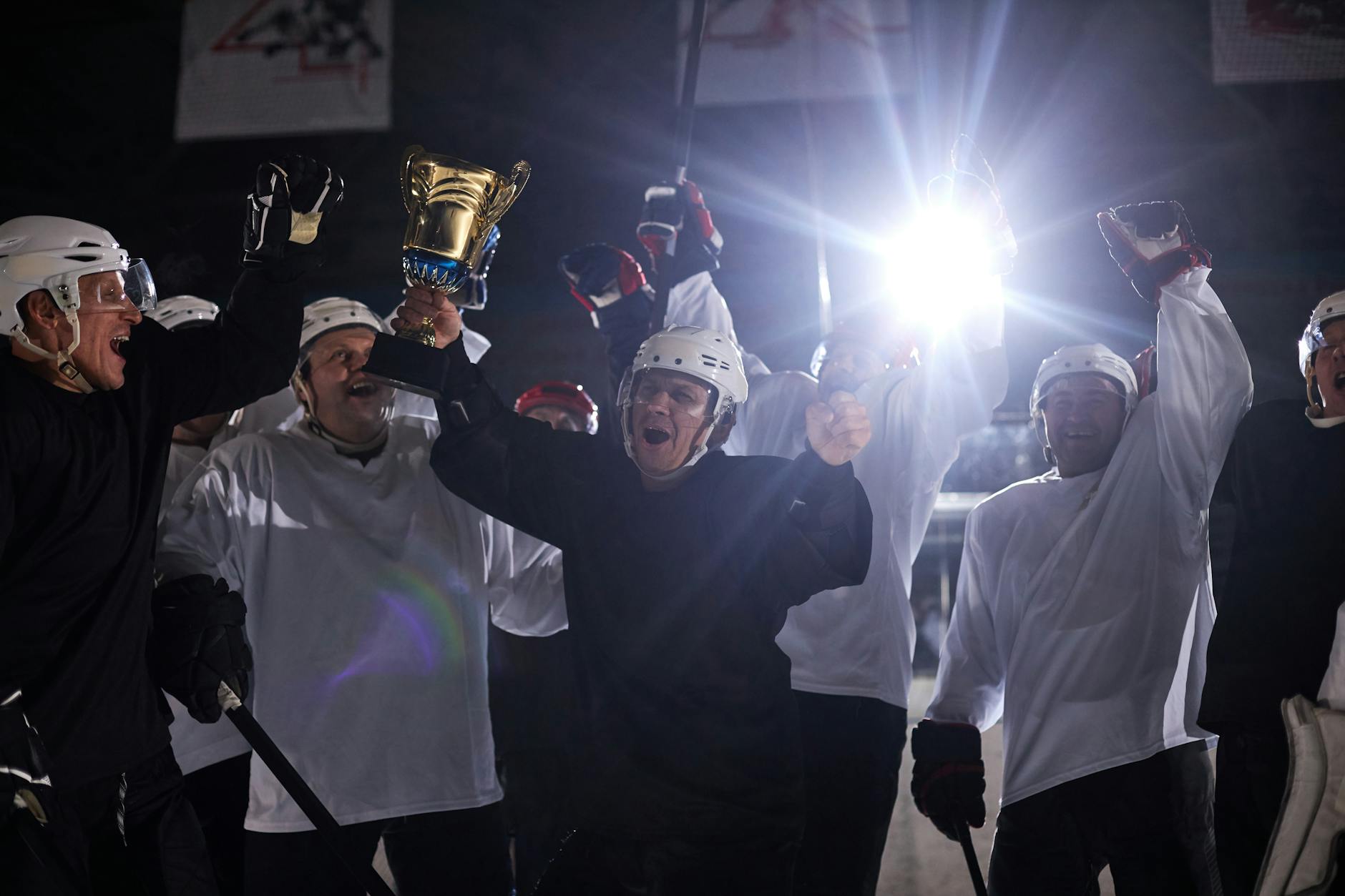
Photo by Tony Schnagl on Pexels
A third area of confusion relates to the scheduling of knockout fixtures and how group stage results determine match-ups, with many fans unaware that the exact pairings for the Round of 16 depend on the combination of group results rather than predetermined brackets. The 2026 World Cup format introduced geographic protection rules that aim to minimise extensive travel requirements while maintaining competitive integrity, factors that influence how the tournament bracket is constructed following group stage completion. Match Daily's analytical team will continue providing comprehensive coverage of tournament scenarios and fixture predictions as the competition progresses through its knockout phases.
Frequently Asked Questions
Q: What was the final score of Austria vs Algeria in the 2026 World Cup Group J match?
A: Austria and Algeria played out a 3-3 draw on June 27, 2026, at Arrowhead Stadium in Kansas City. The match featured six goals across ninety-six minutes of play, with Sasa Kalajdzic scoring a dramatic equaliser in the 96th minute to secure knockout stage qualification for both teams.
Q: How did both Austria and Algeria qualify for the knockout stages from Group J?
A: Austria finished second in Group J with four points from one win, one draw, and one loss, while Algeria advanced as one of the eight best third-placed teams, also accumulating four points. Both teams benefited from the 3-3 draw, which eliminated Iran from tournament contention.
Q: Who scored the goals in the Austria vs Algeria World Cup match?
A: Marko Arnautovic scored in the 28th minute and Marcel Sabitzer in the 55th minute for Austria. For Algeria, Rafik Belghali scored in the 45th minute, while captain Riyad Mahrez netted twice in the 60th and 93rd minutes. Sasa Kalajdzic completed the scoring with his 96th-minute header.
Q: What knockout fixtures are scheduled following the Group J results?
A: Austria will face European champions Spain in the Round of 32 on June 30 in Los Angeles. Algeria will take on Switzerland on the same date in Vancouver, British Columbia. Both matches represent critical encounters that will determine each team's progression through the tournament.
Q: Why is the Austria vs Algeria match considered significant in World Cup history?
A: The match is significant due to its dramatic conclusion, with goals scored in the dying minutes changing tournament qualification scenarios. Sasa Kalajdzic's 96th-minute equaliser marked Austria's first World Cup knockout stage qualification since 1982, while the result produced the first instance of both teams advancing despite neither securing a group victory.
Q: What tactical lessons can be drawn from the Austria vs Algeria group stage encounter?
A: The match demonstrated the importance of maintaining concentration throughout entire matches, particularly in set-piece situations where both teams conceded late goals. According to tactical analysis from Match Daily, the game highlighted how defensive organisation and individual quality in finishing can determine qualification outcomes even when statistical dominance suggests otherwise.
Q: How can fans follow Match Daily's coverage of the 2026 World Cup knockout stages?
A: Match Daily provides comprehensive coverage of World Cup matches including live score updates, post-match tactical analysis, and detailed statistics. Fans can access coverage through the Match Daily website and social media channels, with dedicated articles breaking down each knockout stage fixture and its implications for tournament progression.
End of Transmission
Thank you for reading. Explore more articles from the archive.
Match Daily · Article #6d · 2026